In just over a decade, films set in the Maratha empire have transformed from a niche historical genre into the most commercially reliable category of Bollywood period cinema. Bajirao Mastani earned ₹184Cr in 2015. Tanhaji earned ₹280Cr in 2020. Chhaava earned ₹602Cr in 2025. Tomorrow, Raja Shivaji arrives — a Marathi-language epic by Riteish Deshmukh, shot on the largest scale any Marathi film has attempted. The numbers tell a story of a genre finding its audience. The question is whether that audience has grown large enough to absorb a film whose commercial ambitions exceed its regional base.
Bajirao Mastani (2015): The Blueprint
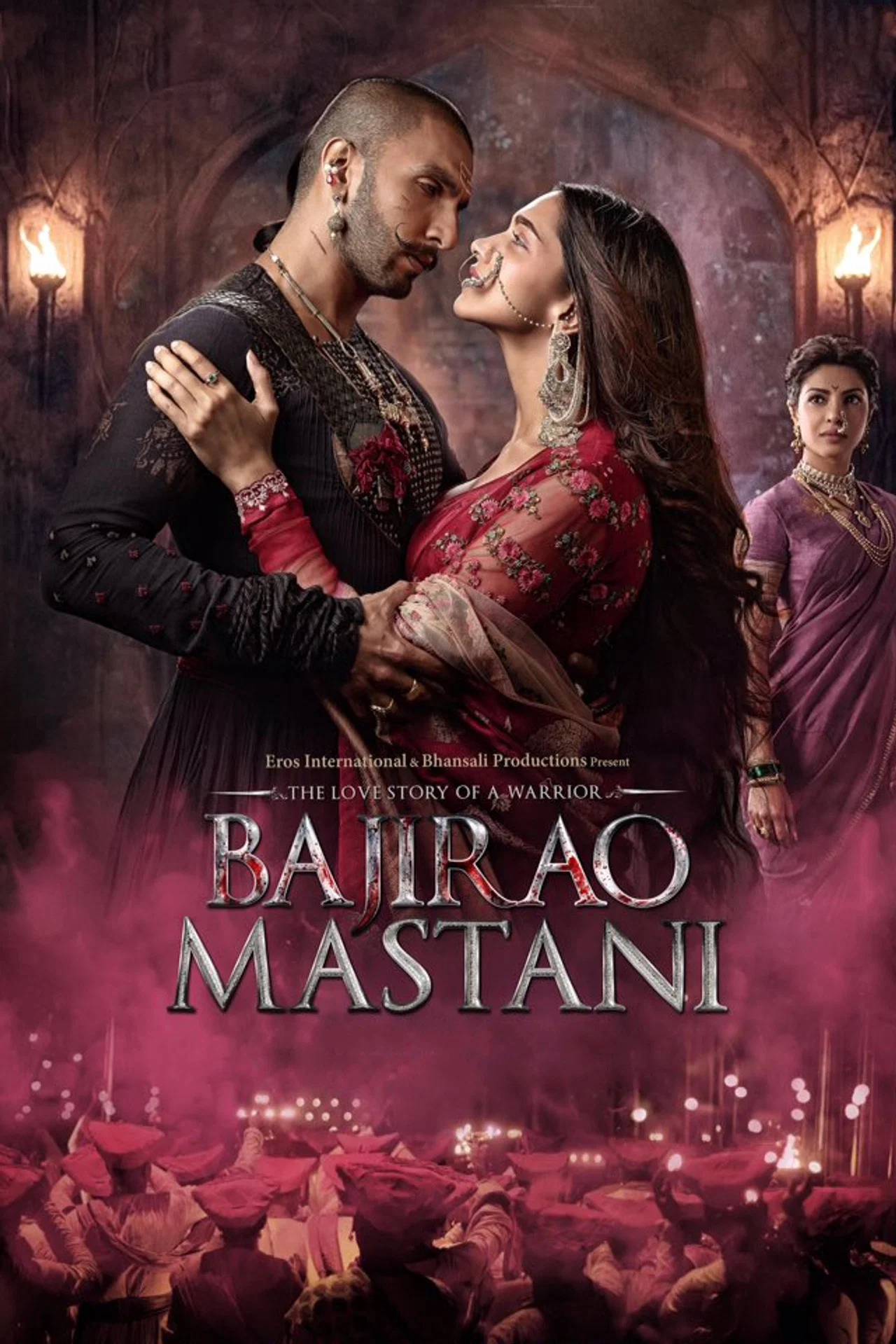
Sanjay Leela Bhansali's Bajirao Mastani was the film that established the template. Ranveer Singh as Peshwa Bajirao, Deepika Padukone as Mastani, Priyanka Chopra as Kashibai — a love triangle set against Maratha military campaigns and Mughal-era politics. The film was a romantic epic first and a historical second. That distinction mattered commercially: it attracted an audience that might not have shown up for a straightforward war film. ₹184Cr India net against a ₹150Cr budget delivered HIT status, with the overseas market contributing ₹101Cr to push the worldwide gross to ₹357Cr. The star power of Ranveer and Deepika was the primary commercial engine — the Maratha setting was the canvas, not the product.
Tanhaji (2020): The Scale-Up
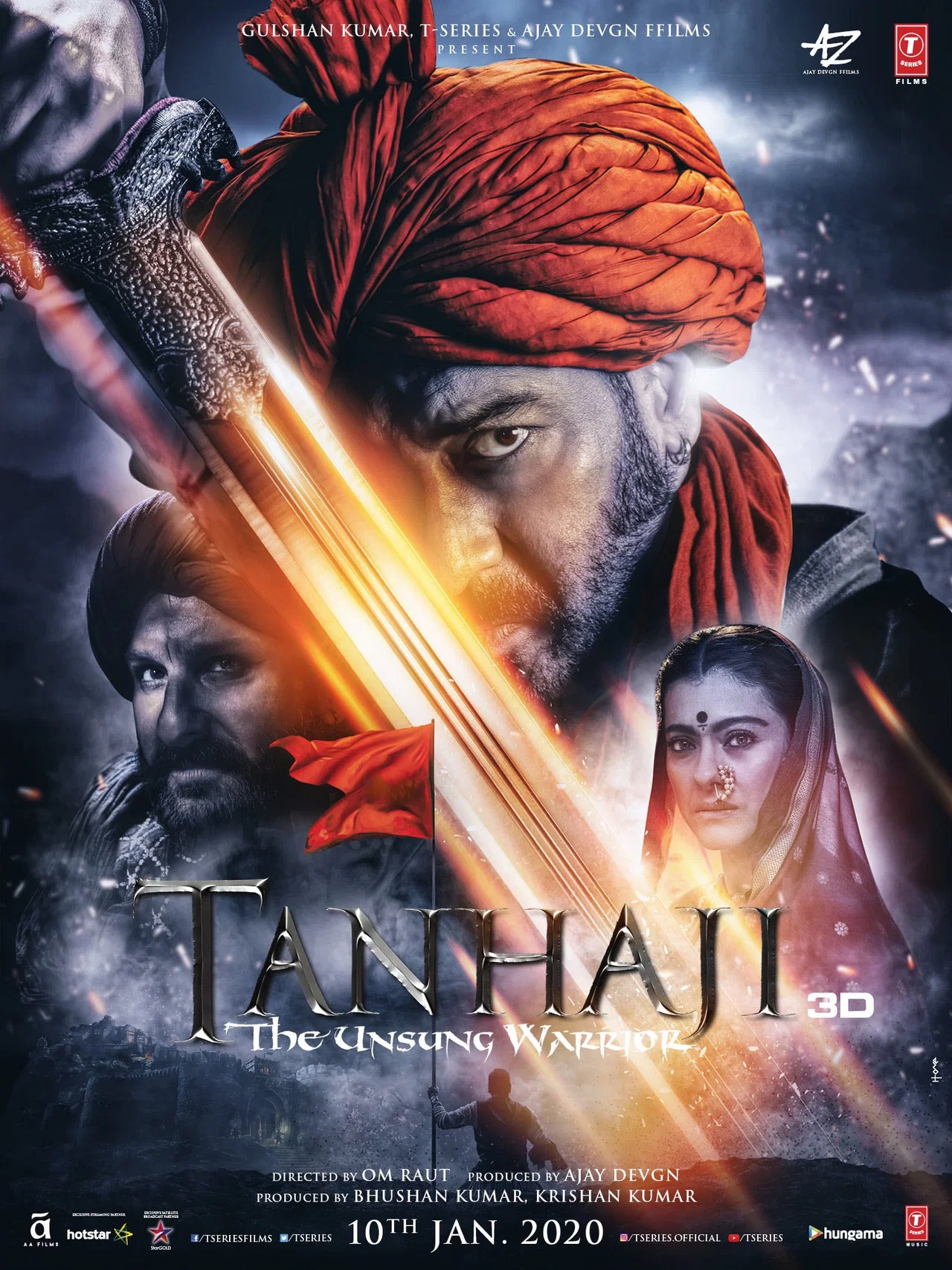
Om Raut's Tanhaji: The Unsung Warrior was a different proposition — a straightforward war film about the 1670 Battle of Sinhagad, with Ajay Devgn as the Maratha general Tanhaji Malusare. Where Bajirao was a romance, Tanhaji was a patriotic action spectacle, released on Republic Day weekend. The formula worked precisely because of that holiday advantage: ₹15Cr on Day 1, ₹26Cr on Day 3, and a ₹118Cr Week 1 that set a new benchmark for Marathi-subject films. It cleared ₹280Cr India net — a 52% improvement on Bajirao in nominal terms, against a similar budget. Ajay Devgn's mass market pull carried it beyond Maharashtra, and the COVID lockdown in March 2020 ended what might have been an even longer run.
Chhaava (2025): The Breakthrough

Chhaava changed the scale entirely. Laxman Utekar's film about Sambhaji Maharaj — Shivaji's eldest son — earned ₹219Cr in Week 1 alone, more than Bajirao Mastani's entire theatrical run. Vicky Kaushal's portrayal of Sambhaji as a defiant, passionate warrior connected across demographics that had never engaged with Maratha-era content before. The Valentine's Day release was counter-programming genius; the A.R. Rahman score gave it music-driven replay value; and the emotional core — the story of a son carrying his father's legacy into impossible odds — resonated universally. At ₹602Cr India net, Chhaava became the fifth-highest-grossing Hindi film of all time. The Maratha genre, for the first time, had produced a genuine mainstream blockbuster rather than a respectful niche success.
Raja Shivaji (2026): A Different Equation
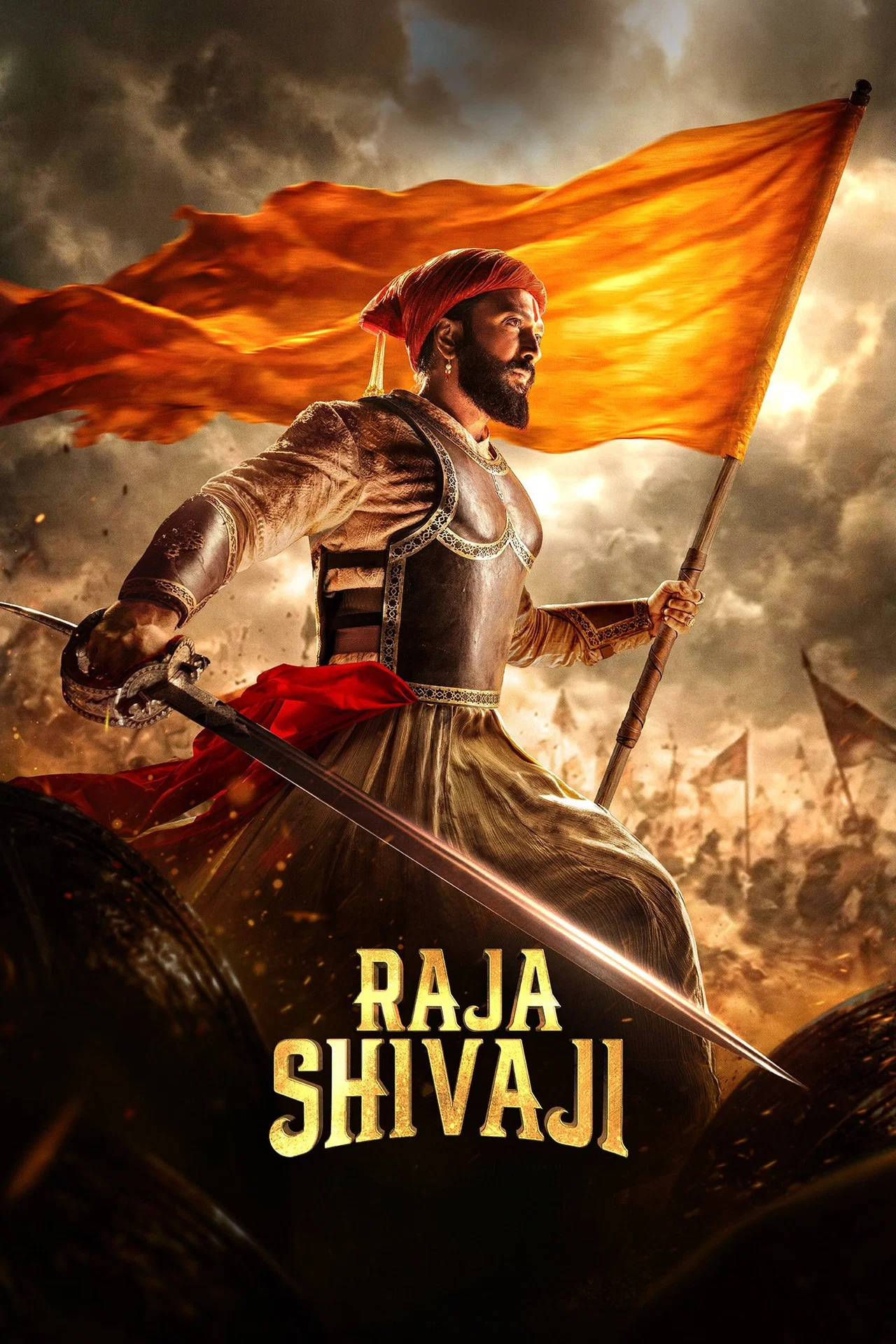
Each preceding film in this trajectory benefited from pan-India star power: Ranveer Singh, Ajay Devgn, Vicky Kaushal. Raja Shivaji is led by Riteish Deshmukh — a Marathi cultural icon whose commercial pull outside Maharashtra is significantly smaller. This is not a criticism; it is a commercial reality that shapes the film's ceiling. The upside is a genuinely invested home audience that no pan-India production can replicate. Pune has opened 7 AM shows. Maharashtra Day as a release date is the single most favorable calendar slot possible for a Marathi film. The advance booking — 43,000+ tickets two days before release — suggests ground-level enthusiasm that trade predictions of ₹7–11Cr Day 1 may underestimate.
The more honest comparison for Raja Shivaji is not Chhaava but Ved (2022) — Deshmukh's directorial debut, which earned ₹75Cr as a Marathi film and was regarded as a major success. Raja Shivaji is a significantly more ambitious production with a star-studded ensemble (Sanjay Dutt, Abhishek Bachchan, Vidya Balan, Genelia Deshmukh). If word-of-mouth is strong and the Maharashtra circuit delivers, a ₹80–120Cr lifetime India net would represent a historic result for a Marathi-language film — not a pan-India blockbuster, but a genuine milestone for regional cinema.
What the Genre Tells Us
The Maratha-era film trajectory is not simply a story of rising numbers. It is a story of expanding audience imagination. Bhansali showed that the Maratha court could be the setting for a romance that competed with Dilwale in the same week. Om Raut showed that a Maratha battle could anchor a Republic Day blockbuster. Laxman Utekar showed that a Maratha king could become a Valentine's Day phenomenon. Each filmmaker expanded what the genre was allowed to be. Deshmukh is attempting something different again — a Marathi filmmaker telling a Marathi story in Marathi, for an audience that has always felt this story belonged to them. The box office will measure how large that audience has grown.
Day 1 data will be updated on the collection page as results confirm.